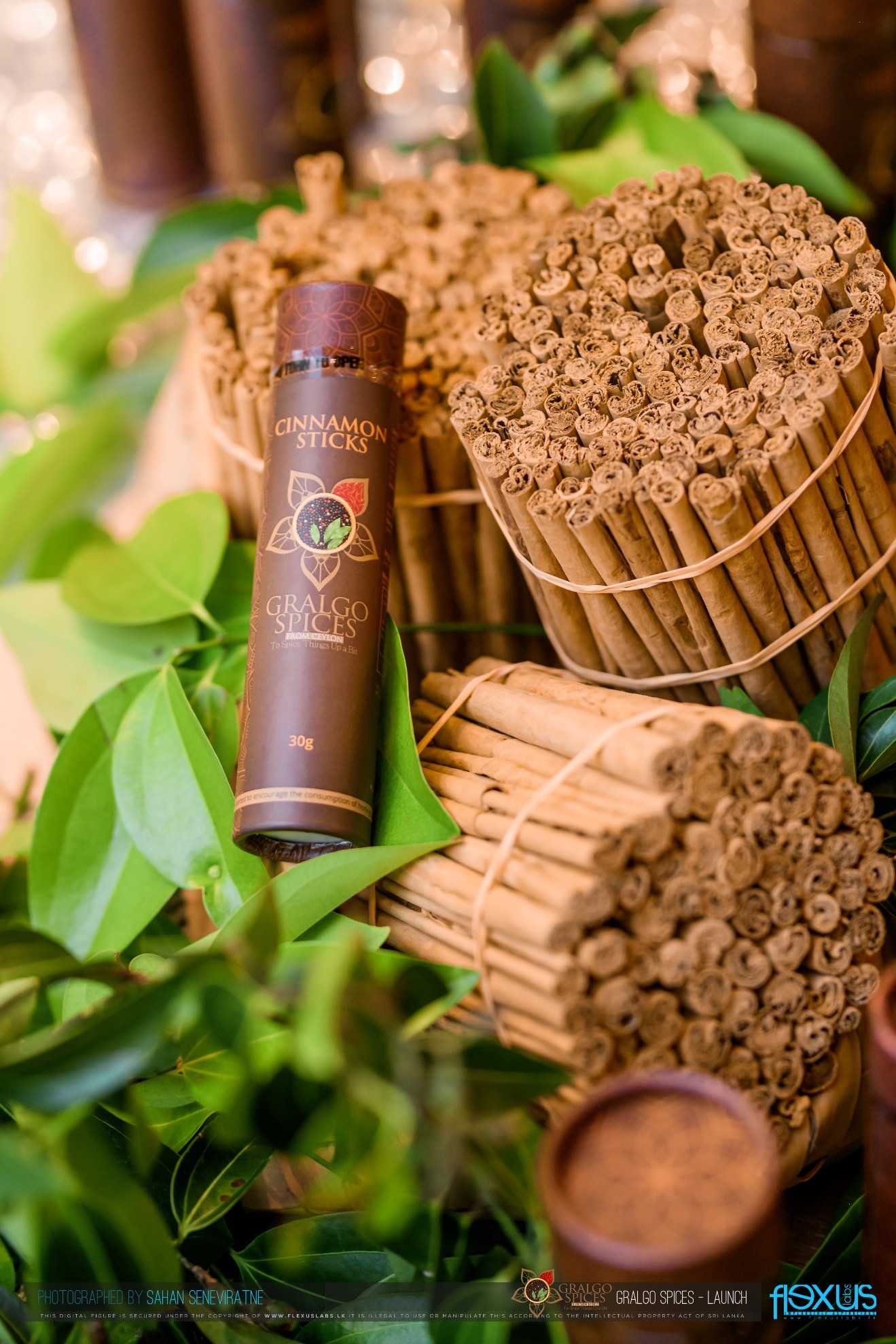
While “Ceylon Cinnamon” is increasingly visible across global retail shelves, it is important for consumers to look beyond the front label and carefully review the ingredient declaration and origin details. In some cases, products marketed as Ceylon Cinnamon may in fact contain a blend of Ceylon Cinnamon and Cassia cinnamon.
This distinction is important because true cinnamon, also known as “Ceylon Cinnamon” is a single-origin spice exclusively grown in Sri Lanka and recognised globally as a Geographical Indication (GI) product. This GI status protects its authenticity and confirms its unique origin, traditional cultivation methods and superior quality.
True Ceylon Cinnamon is naturally characterised by its delicate layers, mild sweetness, and refined aroma. It also contains significantly lower levels of coumarin compared to Cassia cinnamon, making it a preferred choice for those who use cinnamon regularly in food and beverages.
Blended products, on the other hand, may alter both the authentic flavour profile and the natural characteristics associated with pure Ceylon Cinnamon, including its purity and compositional integrity.
For consumers seeking the highest quality and the genuine experience of this world-renowned spice, verifying origin, GI authenticity and ingredient composition remains essential.
About This Series
This is the first article in our Ceylon Cinnamon Story series, where we explore the origin, uniqueness, health benefits, and global value of true Ceylon Cinnamon.
In the upcoming articles, we will look deeper into:
The difference between Ceylon Cinnamon and Cassia cinnamon
Health and wellness benefits of Ceylon Cinnamon
Why Sri Lanka produces the world’s finest cinnamon
The journey from farm to export